LED Strip Lights and Silicone Neon Flex for Signage
Flexible LED strip and silicone neon flex for signage and outdoor lighting. IP65/IP67 rated, 12V/24V, high CRI, 2-year warranty. Manufacturer since 2008.
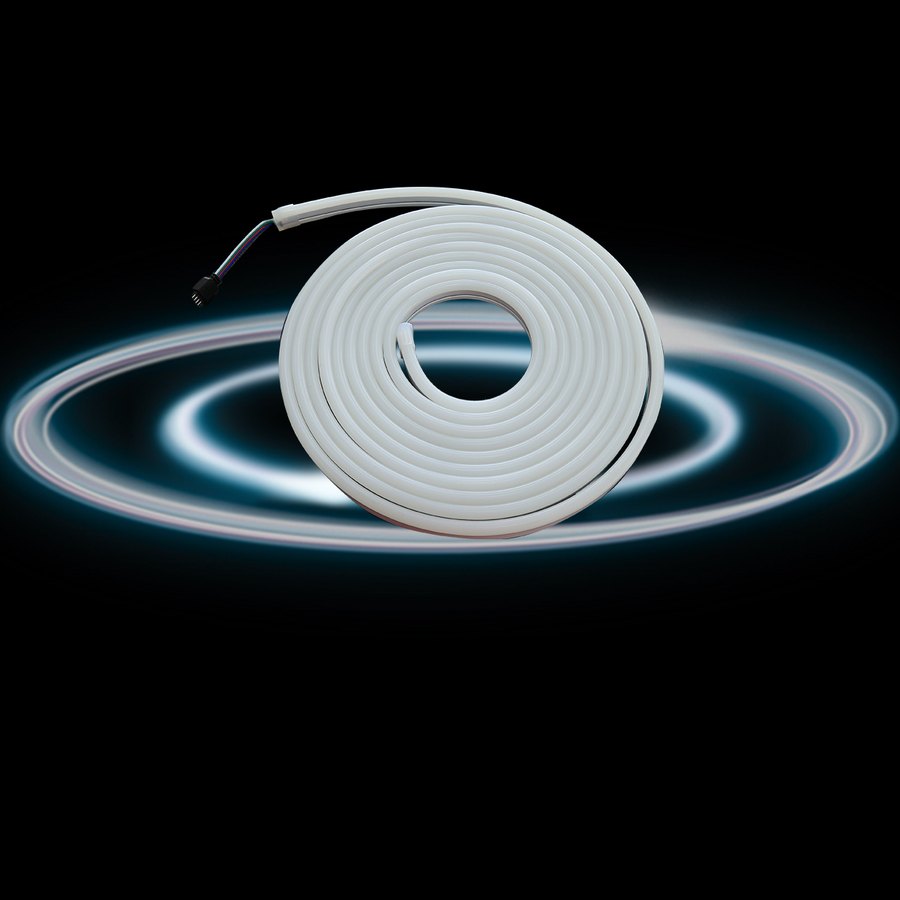
LED strip lights are flexible circuit boards populated with surface-mount LEDs, while silicone neon flex is a strip enclosed in an extruded silicone diffuser that produces a smooth, continuous line of light. GMH supplies S-shaped lens strips from 12.5 mm to 50 mm board width with 10 mm 170°, 13.5 mm 180° and 18 mm 15°×35° lenses at 7.2–20W/m, flowing and pixel strips on 12V, 24V and 5V with external 16703 or built-in 2815 ICs, and silicone neon flex from 8 mm to 8×16 mm in 15 colours, with 2-year warranties.
Scope: what this product page covers
This page covers three low-voltage strip families: the S-shaped lens strip series (diffuse reflection plus side light source, 12.5/16/22/50 mm board widths, single-LED cut points, 10 mm 170°, 13.5 mm 180° and 18 mm 15°×35° lenses at IP65 or IP67), the flowing and pixel-effect series (external IC 16703 and built-in IC 2815, 12V/24V/5V, 6–22 mm boards, 7.2–18 W/m), and silicone neon flex (LE-001 at 6×12 mm and LE-002 at 8×16 mm, both 12V, 120 LEDs/m, IP67, CRI ≥80; plus an 8 mm indoor neon at IP33 — 15 colours, 0.8 cm cut marks). It does not cover rigid LED bars, mains-voltage tape or complete luminaires.
Specifications
| Operating voltage | 12V standard; 24V and 5V on the flowing/pixel series |
|---|---|
| Power density | 7.2–20 W/m depending on series; 12 W/m on LE-001 and LE-002 neon |
| Protection rating | IP20 indoor; IP65 and IP67 on lens strips; IP67 on LE-001/LE-002 neon; IP33 on 8 mm neon |
| Board width | 6 mm to 50 mm (50 mm is a double-row lens strip) |
| Lens options | 10 mm (170°), 13.5 mm (180°), 18 mm (15°×35°) on lens strips |
| Cut points | Single-LED cutting on lens strips; 3 or 6 lights per cut on flowing strips; 0.8 cm marks on neon flex |
| Pixel options | External IC (16703) and built-in IC (2815), 1–3 lights per point, flowing and gradient effects |
| LED density | 14–90 LEDs/m by series; 2835 and 3535 packages; 120 LEDs/m on neon |
| Neon colours | 15 colours — CW, W, WW, R, Y, B, G, O, LY, LG, IB, PP, P, LP, NW |
| Adhesive | Thermally conductive aluminium-backed adhesive on lens strips |
| Warranty | 2 years |
Materials
- FR-4 or flexible PCB strip
- Extruded silicone diffuser (neon flex)
- Polycarbonate and epoxy encapsulation
- 3M adhesive backing for mounting
- Silicone end caps and connectors for sealed runs
Manufacturing process
- Requirement check We confirm the installation environment first: indoor, covered outdoor or fully exposed determines whether IP65 or IP67 is needed. Bend radius and run length determine strip type and whether 12V or 24V is the better electrical choice.
- SMT assembly LEDs and resistors are placed by SMT and reflow soldered. High-CRI versions use selected LEDs for accurate colour rendering in display and retail settings.
- Extrusion or encapsulation Neon flex is extruded in silicone around the strip to create a continuous, dot-free line and add weather resistance. Waterproof strips are additionally sealed against moisture ingress.
- Ageing and test Each production run is powered for an ageing period and checked for brightness, colour consistency and waterproof integrity before packing.
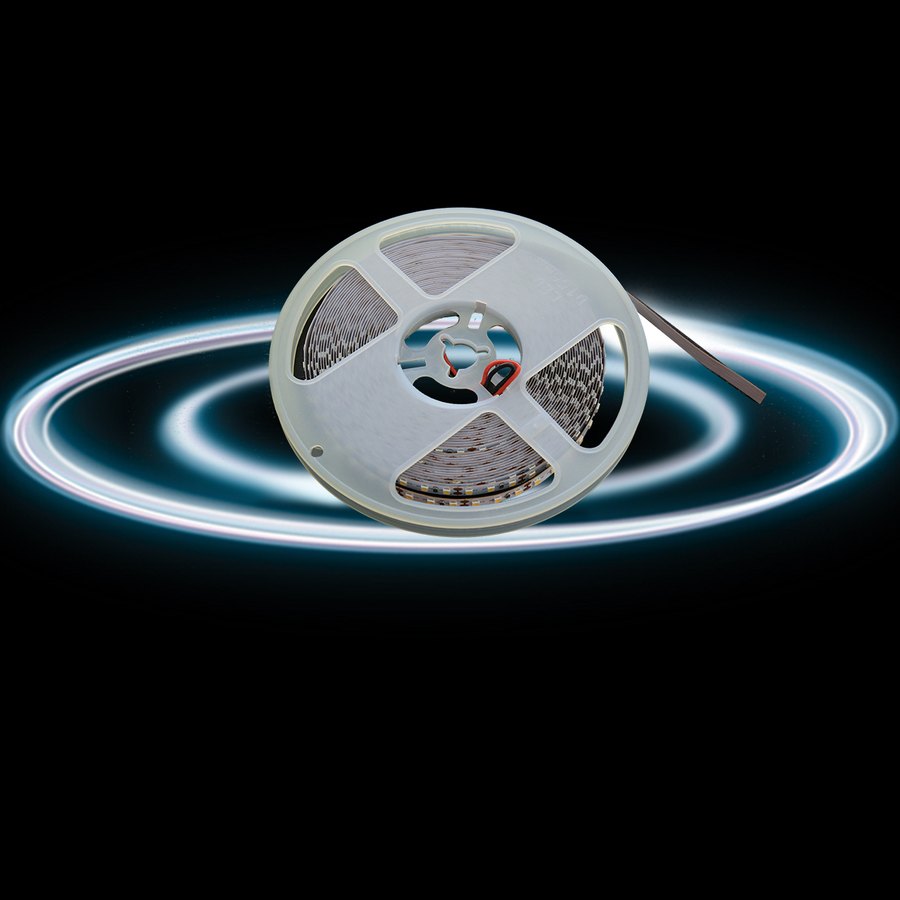
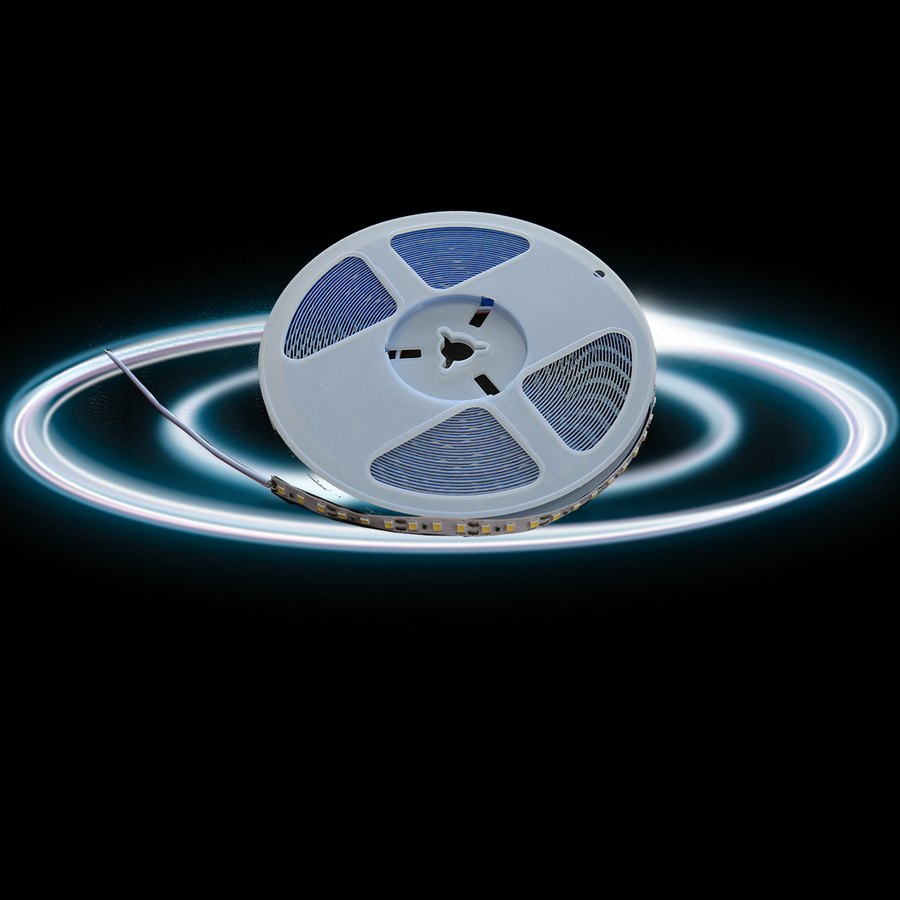
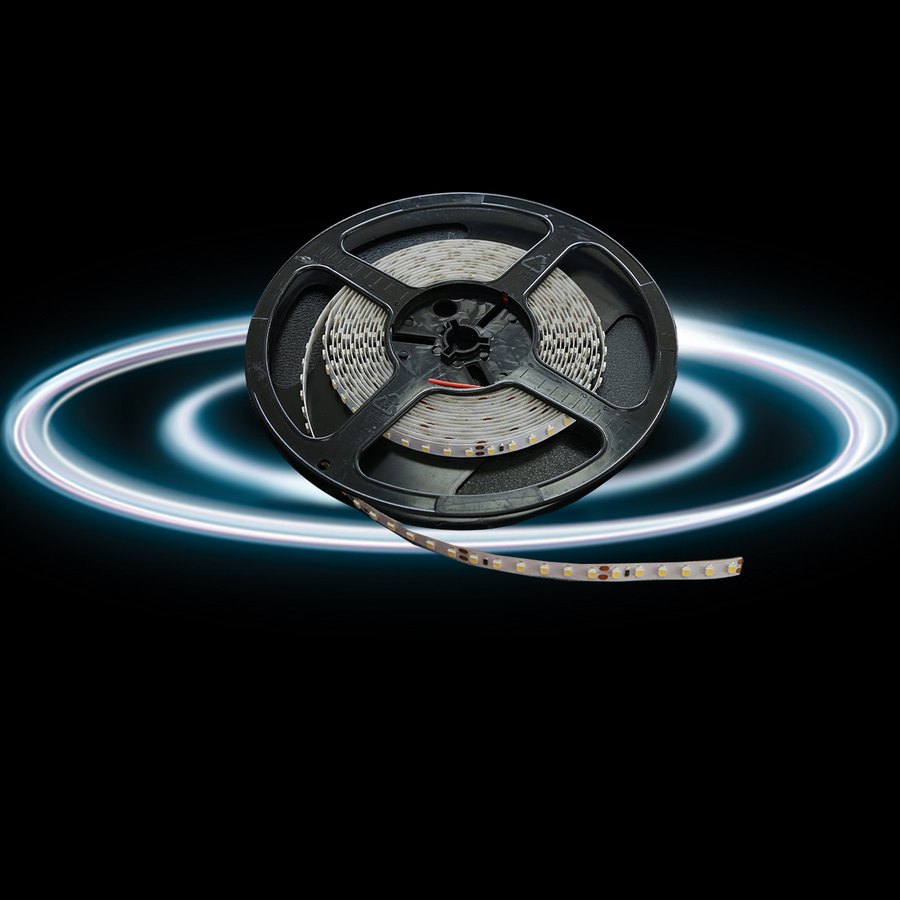
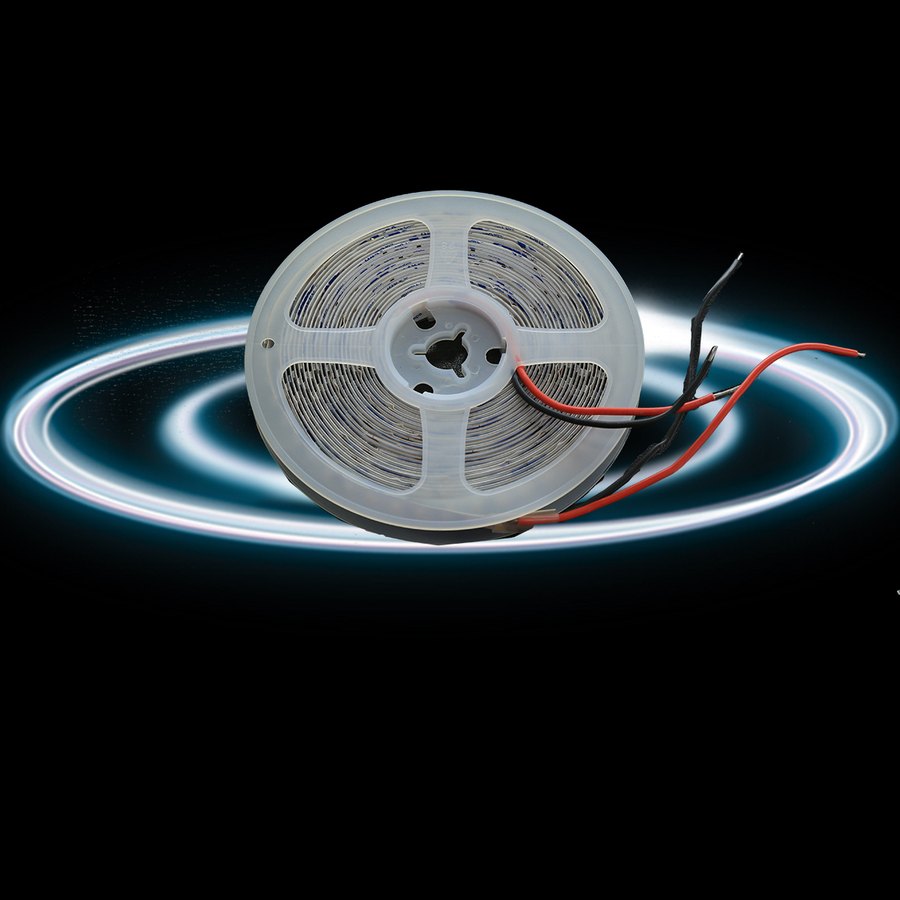
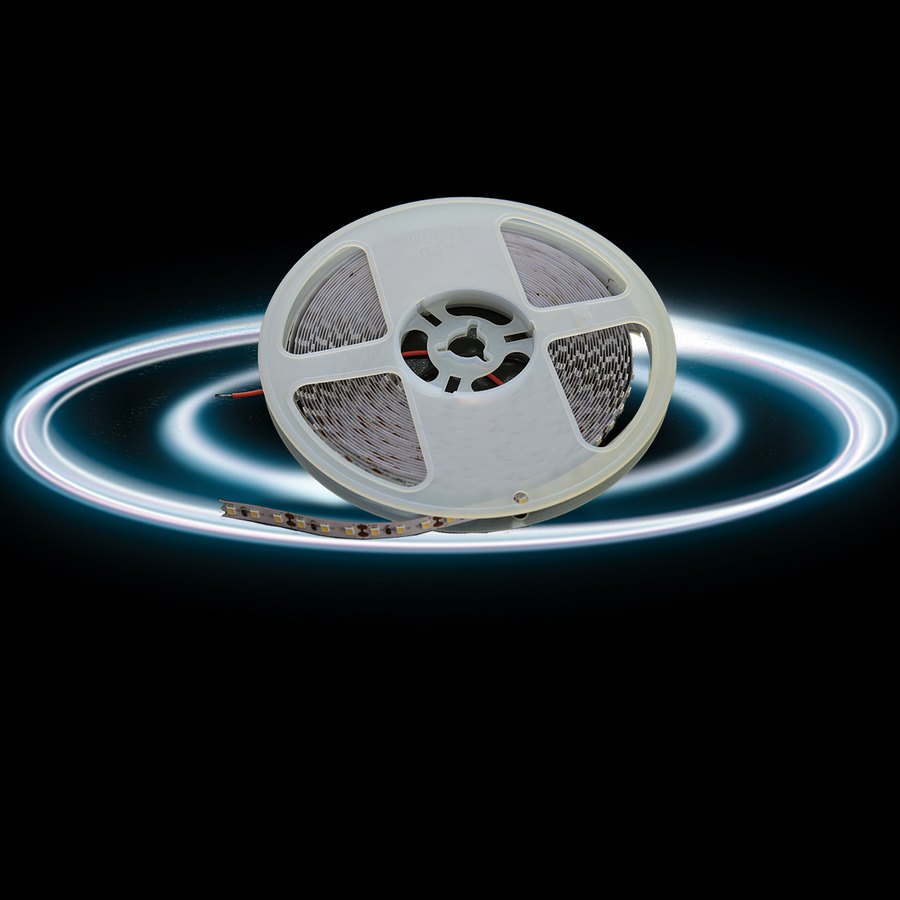
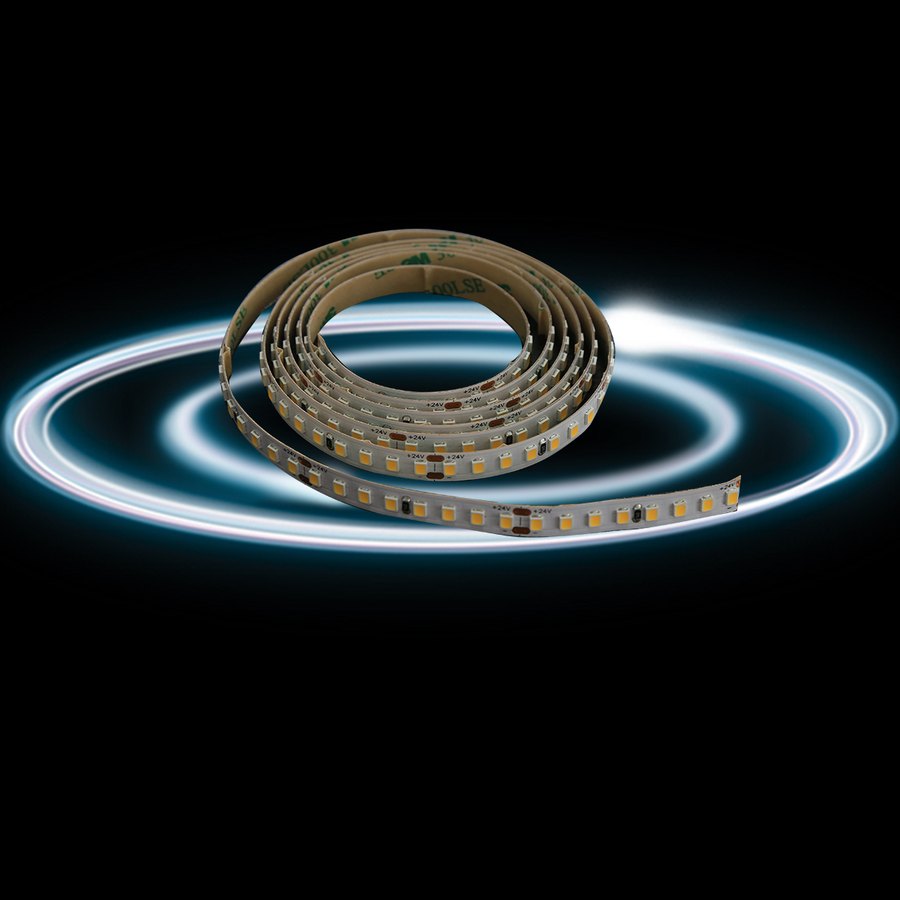
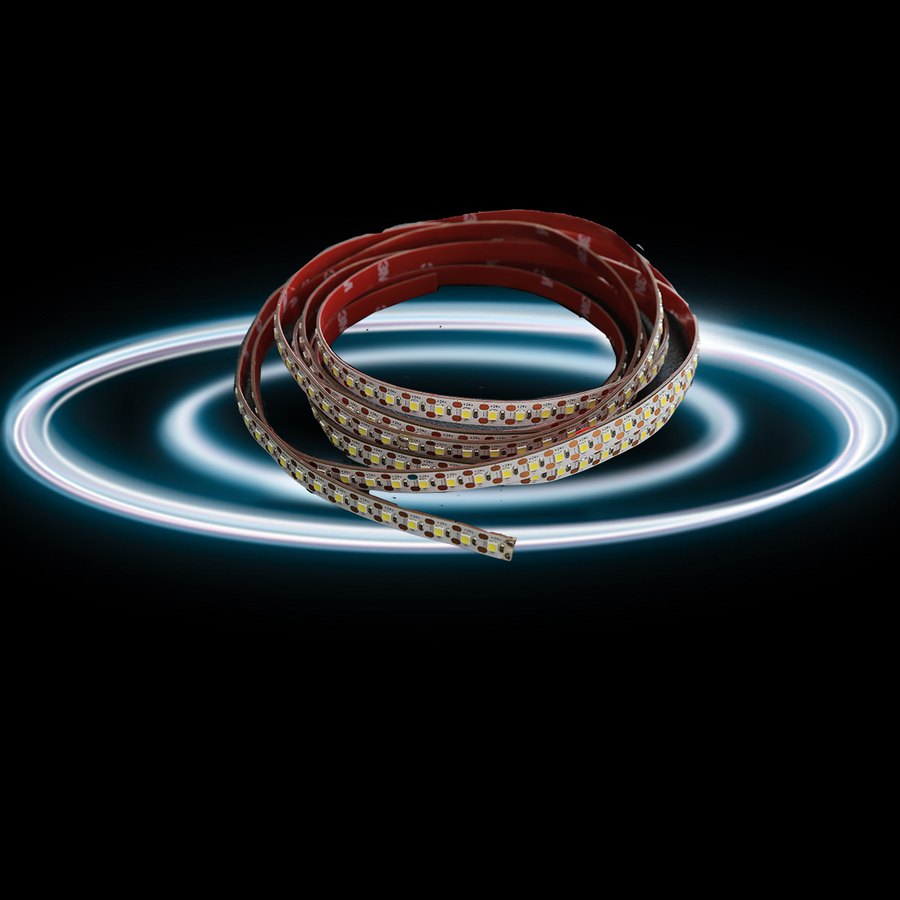
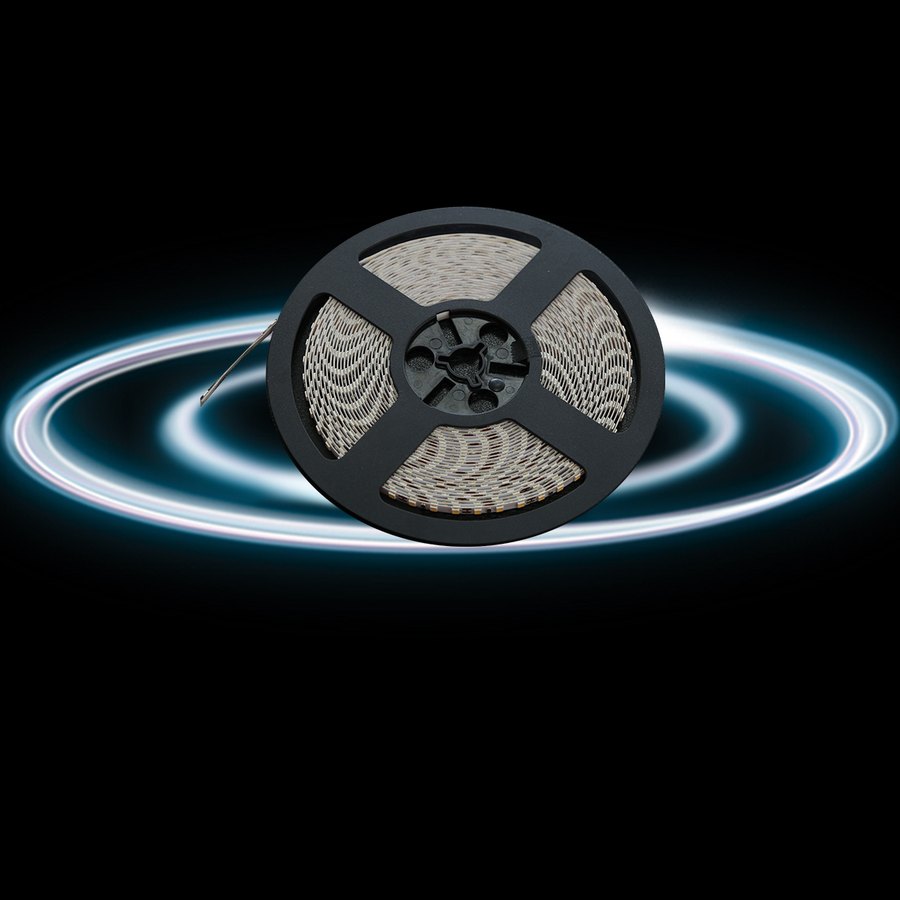
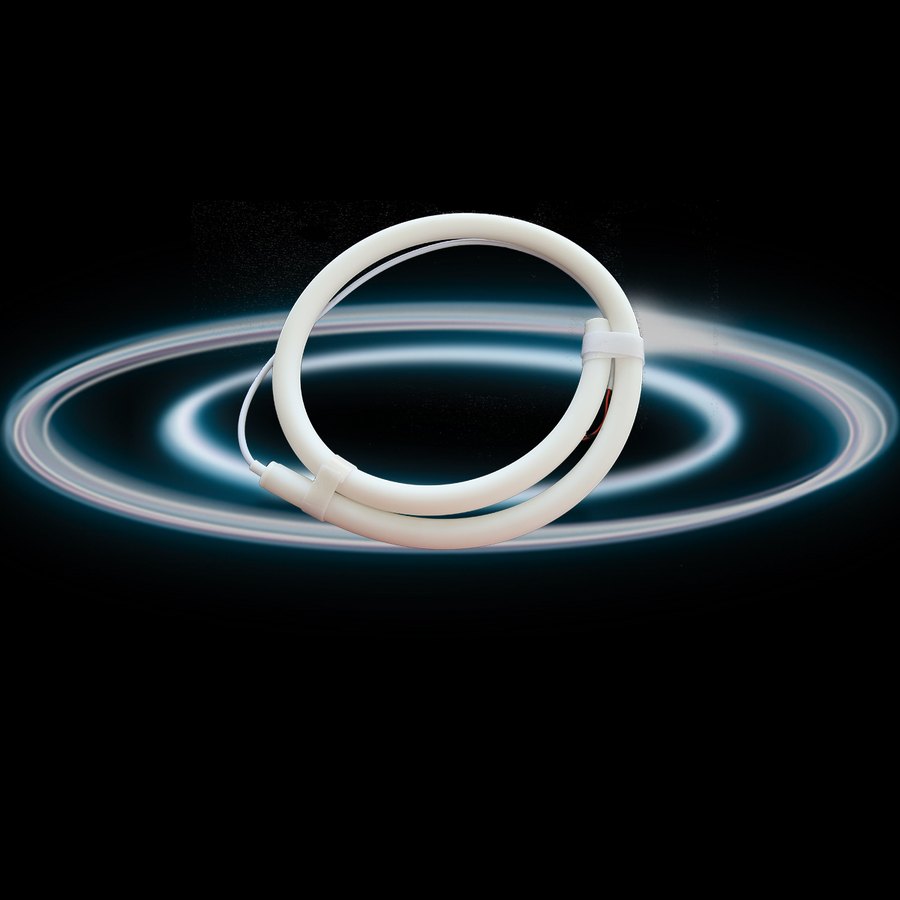
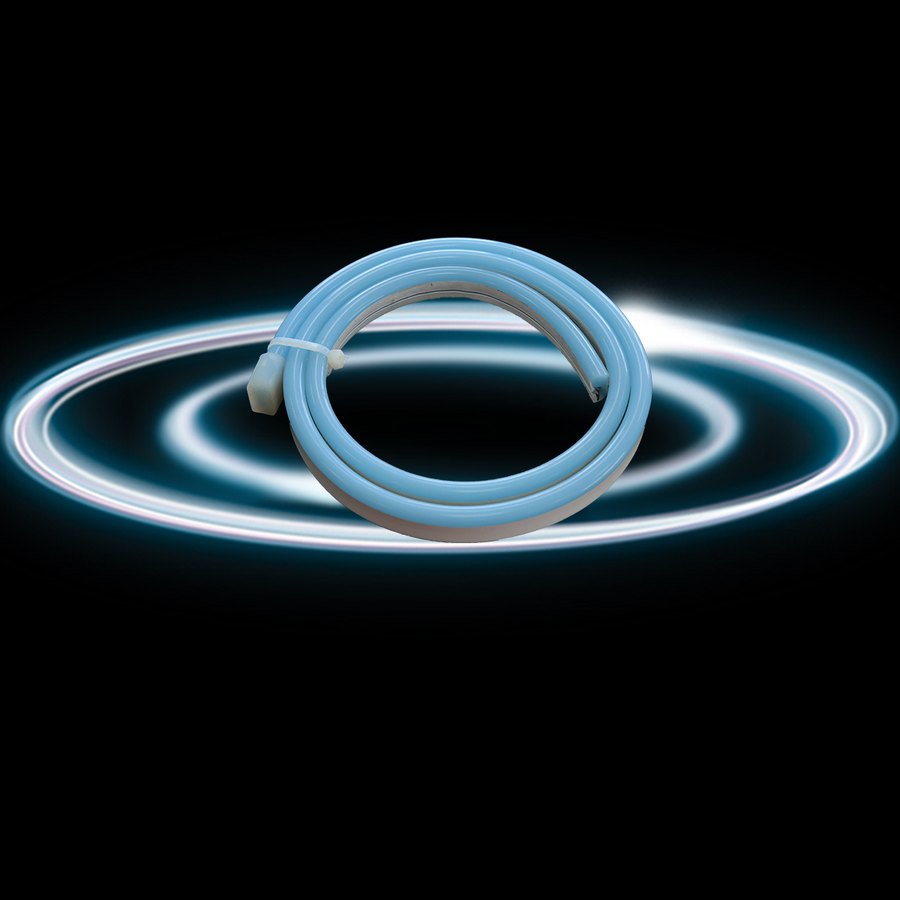
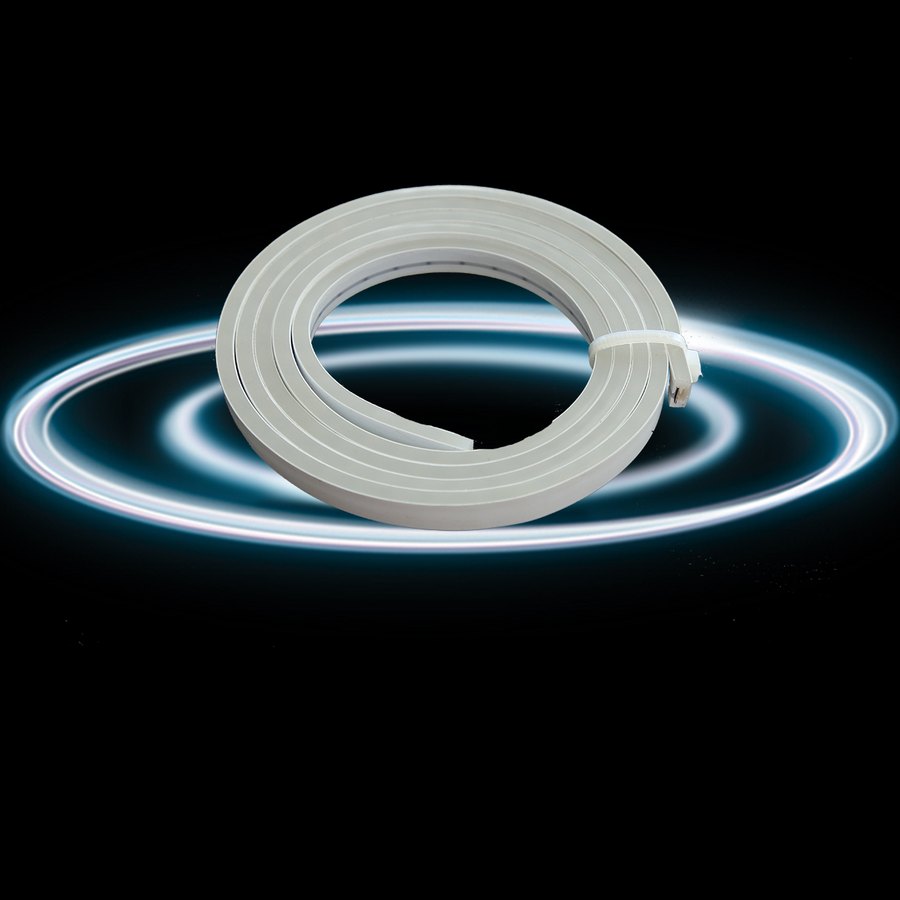
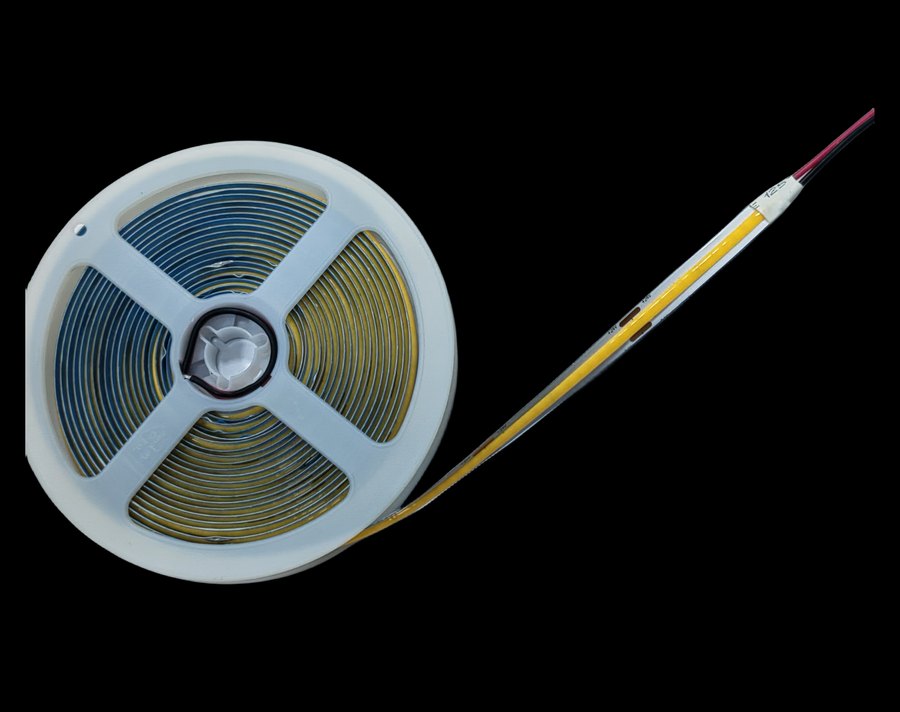
LED Strips & Neon Flex in production
Typical applications
- Channel letter outlines and halo lighting
- Storefront and mall decorative lighting
- Architectural outlines and landscape accents
- Exhibition booths and event decoration
- Hotel and restaurant ambient lighting
- Vehicle and food-truck decoration
Quality and documentation
- ISO 9001 quality management system
- CE, FCC and RoHS compliance on applicable series
- IP65 and IP67 waterproof versions
- High-CRI options for colour-critical retail
- Silicone diffuser for uniform, dot-free light
- 2-year warranty on LED strip and neon flex
What we do not do
We do not supply mains-voltage 220V tape or complete luminaires, and we do not cut and terminate strips to bespoke lengths as a finished assembly. Outdoor cuts must be re-sealed to preserve the IP rating, and IP20 versions are for dry indoor use only. Neon flex has a minimum bend radius — bending tighter than specified damages the internal PCB and voids the warranty.
Technical questions
Should I use IP65 or IP67 LED strip outdoors?
For covered outdoor areas such as under an awning, IP65 is usually sufficient. For exposed signage that takes direct rain or pressure washing, use IP67. Remember that a cut strip loses its rating unless the cut end is re-sealed.
12V or 24V — which strip should I choose?
24V strips draw less current for the same power, so voltage drop over long runs is smaller and thinner cable can be used. 12V is common for short signage runs and many channel letter systems. We supply both.
What does high CRI mean for a shop sign?
CRI measures how faithfully a light source renders colours. A high-CRI strip makes brand colours and product displays look accurate rather than washed out, which matters in retail and showroom signage.
Can neon flex be bent around tight letter shapes?
Yes, silicone neon flex bends to form letters and outlines, but every product has a minimum bend radius. Bending tighter than that radius can crack the internal board. Tell us the tightest radius in your design and we will recommend a suitable series.
Adjacent products and capabilities
LED Modules
LED modules are small, self-contained circuit boards or injection-moulded units that carry one or more LEDs and are mounted in rows inside channel letters and lightboxes to illuminate sign faces evenly. GMH makes the MH-series of 12V injection-moulded LED modules from 0.4W to 4W with 165°–175° beam angles, rated for 50,000 hours with lumen depreciation below 6%, from MOQ 200 pcs per model and a 5-day lead time on orders up to 1,000 sets..
View productLED Power Supplies
An LED switching power supply converts mains AC voltage into the low-voltage DC that LED signs and strips require, with 12V and 24V outputs common in signage. GMH builds two families: the MH-12Vxx-F waterproof series (36W–350W, IP67, −30°C to +45°C, 3-year warranty) and the MH-12Vxx-B ultra-slim series (45W–350W, 12 mm case, IP20, 0°C to +45°C, 2-year warranty).
View productLED Matrix Panels
LED matrix panels are configurable grids of addressable LEDs that display text, graphics and simple animations, widely used on vehicle signs, shop windows, food trucks and stage backdrops. GMH supplies flexible matrix panels in formats from 32×320 down to 16×96 pixels, suited to vehicle displays, advertisements, shop windows and event signage, exported to more than 100 countries..
View productQuality & Assurance
ISO 9001 quality system, powered ageing and IP65/IP67 waterproof checks on sealed products.
Quality capabilityTell us your sign project, get a product recommendation
Share your sign design — letter depth, face material, indoor or outdoor — and we will recommend the right LED modules, strip, power supply and protection rating, with a quotation. No obligation.