Inside GMH: How LED Signage Lighting Is Made
The production processes behind GMH modules, strip lights, power supplies and matrix panels — described so that you can check how a product is made before you specify it.
GMH Lighting makes LED signage lighting at its facility in Jiangmen, China — a 4,000 m² workshop with 40 production and test machines run by a team of 50. Production covers LED injection molding, SMT assembly, flexible strip extrusion and switching power supply assembly, with aging tests, IP65 / IP67 waterproof checks and colour binning before packing. Monthly capacity is 10 million LED modules and 200,000 power supplies. The company operates under an ISO 9001 quality system and exports to more than 100 countries.
How the products are made
Each process contributes a specific property to the finished product — the housing fit, the solder joint, the waterproof rating or the consistency of light.
LED injection molding
Molded housings and lenses for LED modules and signage components.
Injection molding produces the housings, lenses and covers used in GMH LED modules. Keeping molding in-house lets shape and fit be checked against the module design before volume production, which matters when parts have to line up cleanly on a channel letter or light box.
SMT assembly
Surface-mount assembly of LED chips and driver components.
LED chips and electronic components are placed and soldered onto boards for modules, strip lights and power supplies. Solder quality is sampled during production because cold joints are one of the most common causes of early field failure in signage.
LED strip extrusion
Extrusion of flexible strip and neon flex profiles.
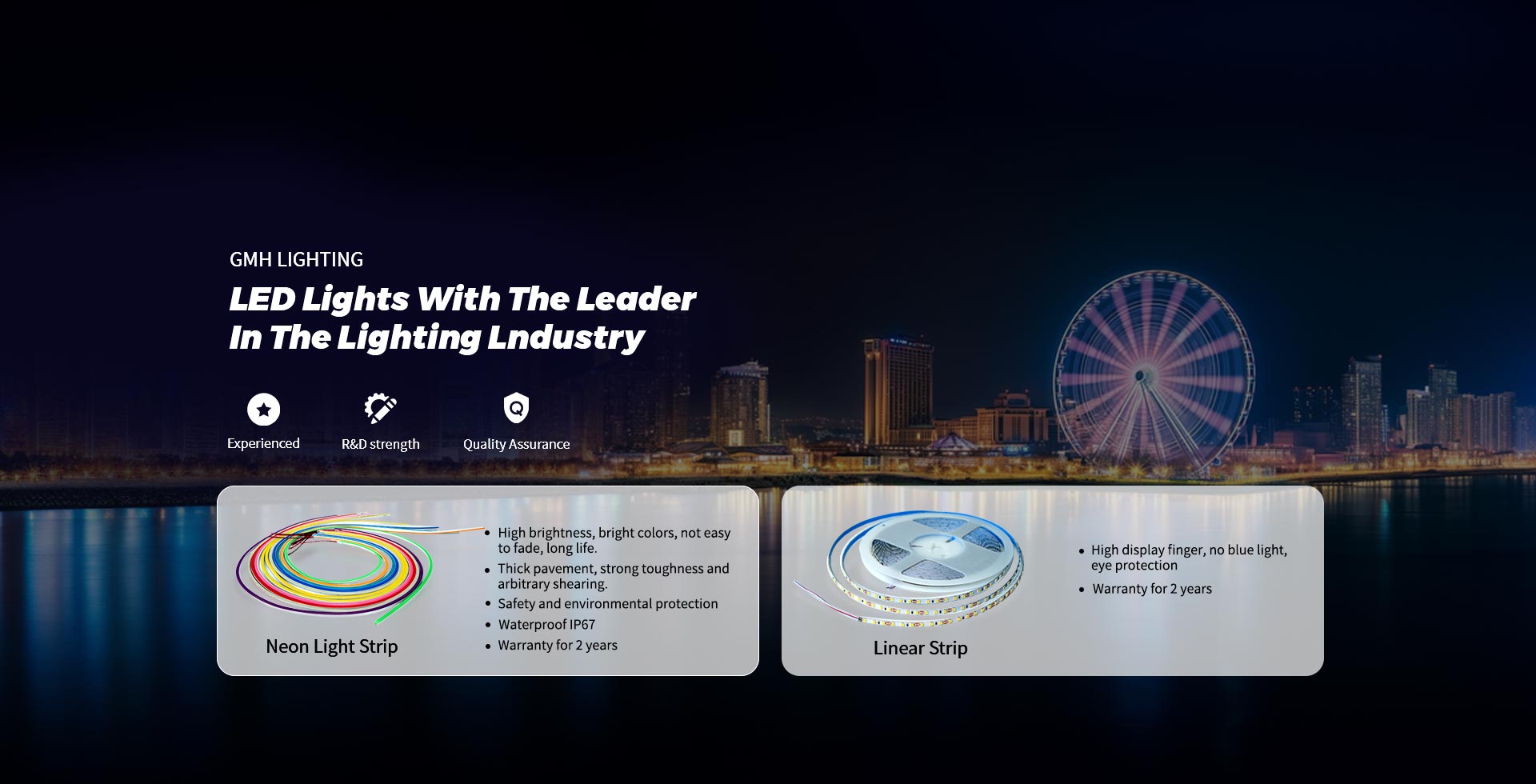
Flexible strip lights and neon flex are extruded with silicone and PC materials to reach IP65 or IP67 ingress protection. The extrusion process is where the waterproof rating and light diffusion are built in, not added at the end.
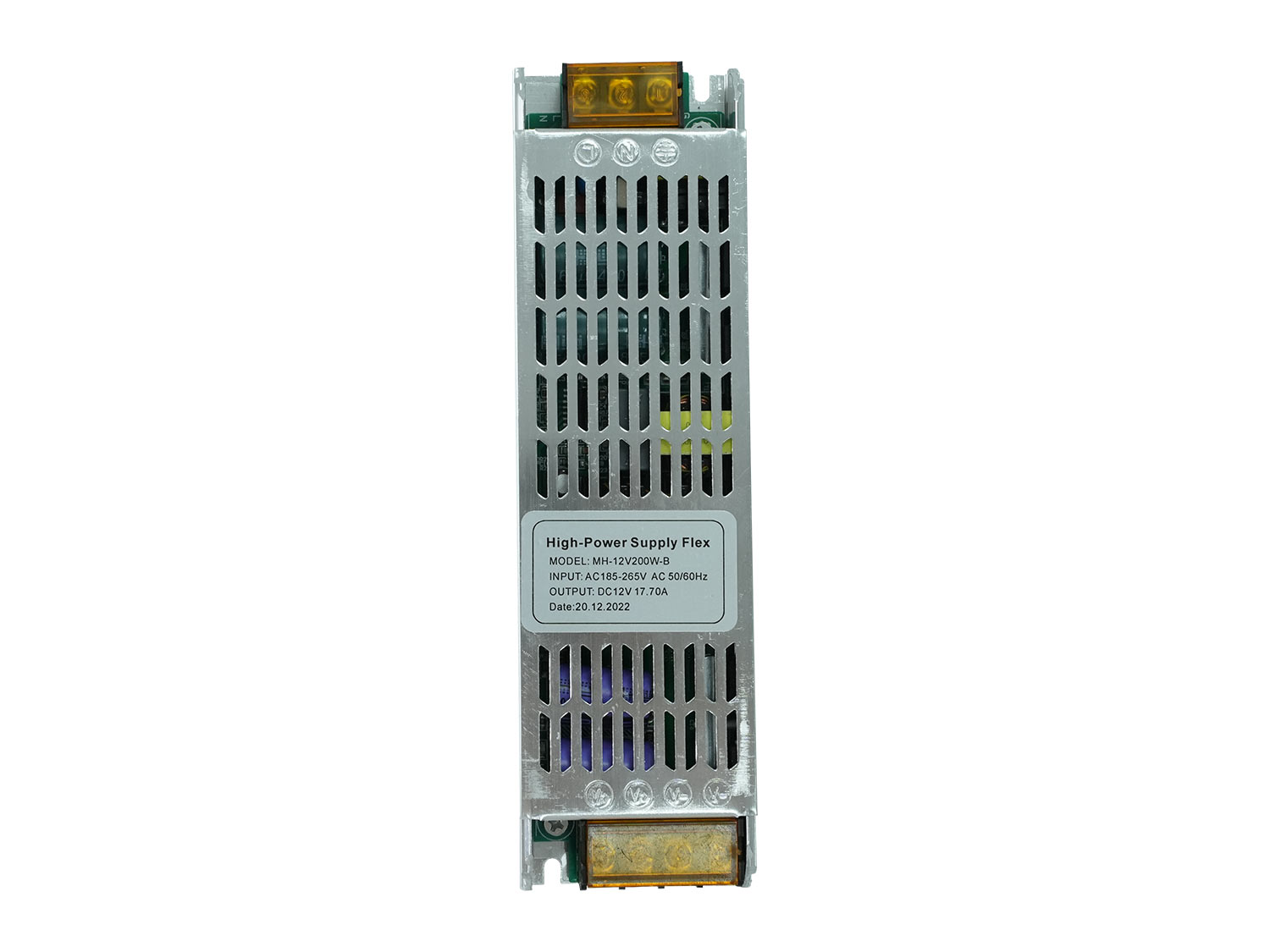
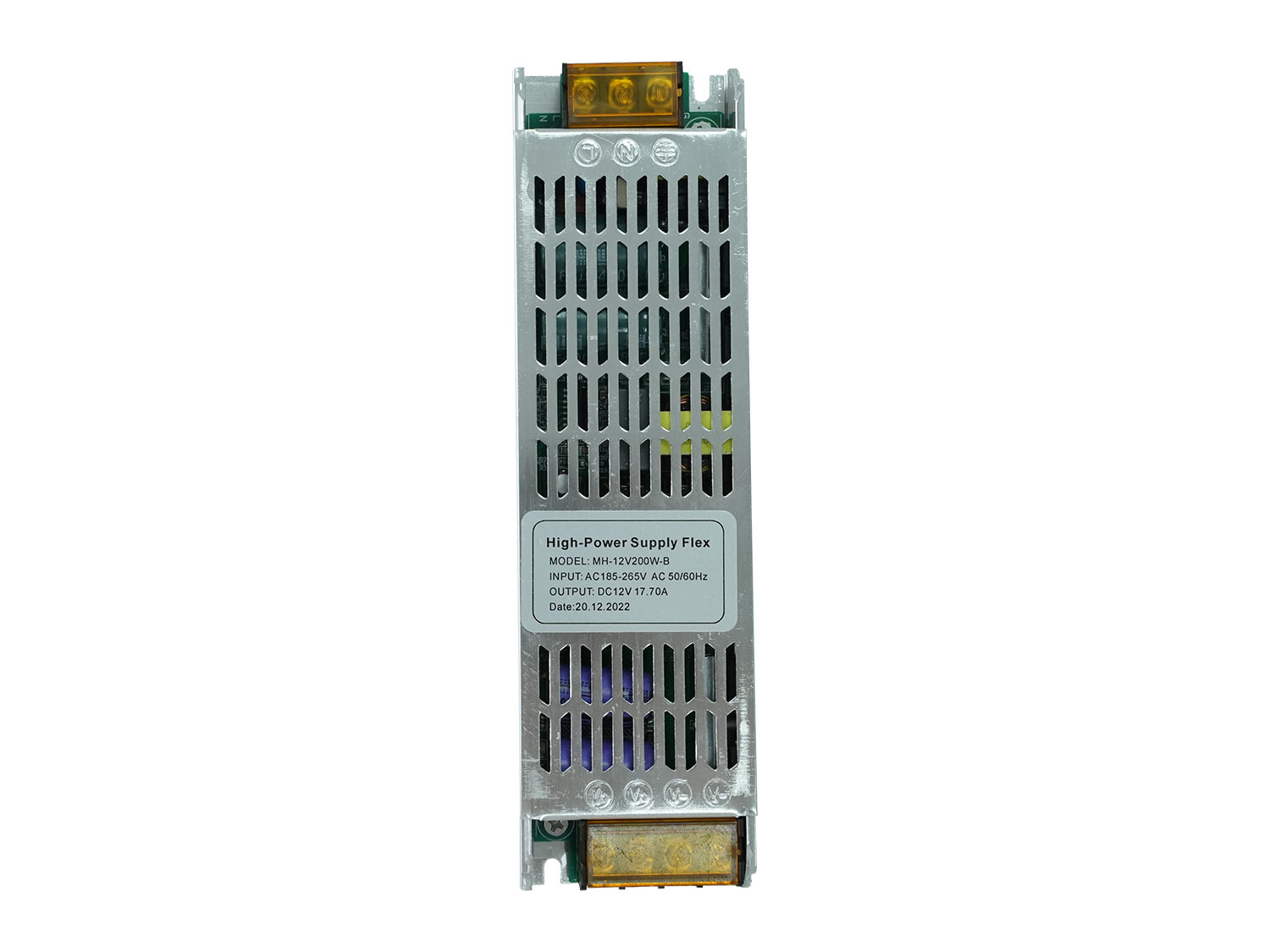
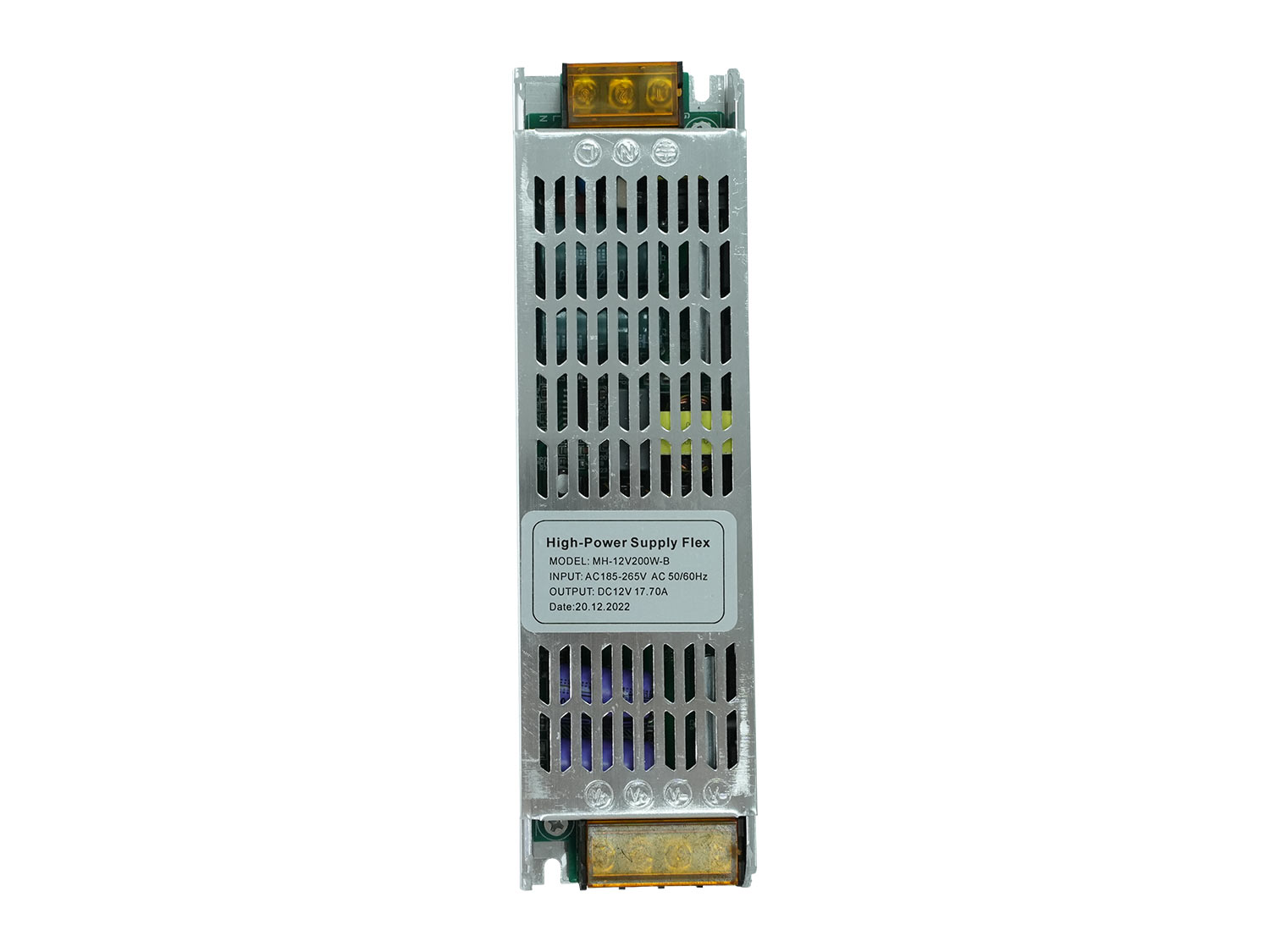
Power supply assembly
Assembly and testing of 12V switching power supplies.
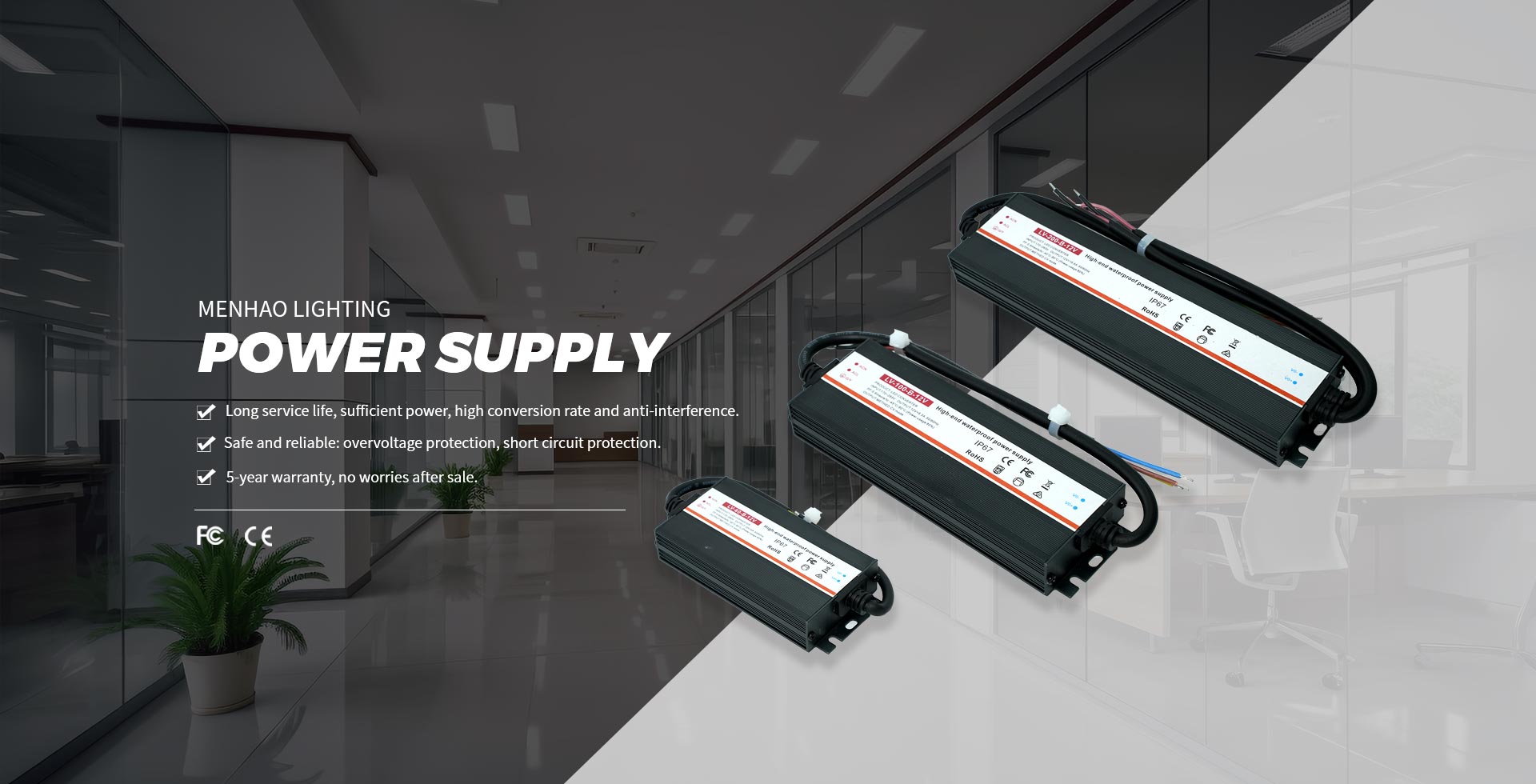
Switching power supplies in 36W to 350W ratings are assembled and tested under load. Because an under-rated supply is a leading cause of signage failure, output and protection behaviour are verified before a unit is packed.
Aging & reliability testing
Burn-in, waterproof checks and colour binning.
Products are powered for an extended aging period to screen early-life failures, checked for IP65 / IP67 ingress protection where applicable, and colour-sorted into bins so that a long run of letters or strip shows no visible colour bands.
Packing & dispatch
Export packing, labelling and documentation.
Finished products are labelled, packed for long-distance shipment and supplied with the relevant datasheets and test documents. Packing is checked against the order so that mixed shipments of modules, strip and power supplies arrive correctly identified.
What is kept under one quality system
Keeping these processes in-house means a problem can be traced to the stage that caused it, rather than passed between suppliers.
- LED injection molding
- SMT assembly
- LED strip extrusion
- Switching power supply assembly
Alongside production, aging tests, IP65 / IP67 verification and colour binning are run before products are packed and dispatched.
The product range
Come and look at it
A factory page is a claim; a visit is evidence. Customer and third-party visits can be arranged to see the processes relevant to your order — from incoming material through molding, assembly, aging tests and packing. Remote video review is available where travel is not practical.
- Visits arranged with advance notice, including customer-specific checklists
- Remote video review of the process stages you want to see
- Inspection and test records available for review on site
- NDA available before any customer project detail is discussed during a tour
Tell us your sign project, get a product recommendation
Share your sign design — letter depth, face material, indoor or outdoor — and we will recommend the right LED modules, strip, power supply and protection rating, with a quotation. No obligation.